If you’ve ever stood in a auto body shop watching a mechanic sand down a fender to fix a scratch, or held a polished piece of kitchenware that feels like it was touched by magic (in the best way possible), you’ve interacted with abrasive compounds—even if you didn’t know their name. As a guy who’s been supplying these stuff for over a decade, I get it; most folks don’t think about how these gritty little mixtures show up everywhere, not just the “grinding and cutting” spaces you’d expect. Today, let’s break down the industries that actually use abrasive compounds every single day, no boring textbook jargon, just real-world stuff I see on my delivery trucks every week. Abrasive Compounds

First off, let’s get one tiny thing straight: abrasive compounds aren’t just sandpaper glued to a block. They’re those gritty pastes, powders, or liquid mixes with super hard particles (think aluminum oxide, silicon carbide, even diamond dust sometimes) that cut, shape, or finish a surface without destroying it. You use different grit sizes for different jobs—fine grit for a shiny polish, coarse grit for taking off thick rust or old paint. Now, on to the industries that can’t function without ’em.
Auto manufacturing and repair is probably the biggest one I deal with, and it makes total sense. I drop off loads of our medium-grit ceramic abrasive paste to a Detroit auto body shop first thing every Monday, and by noon they’re already using it to smooth out dents before painting. Here’s the thing: when a car’s body comes off the assembly line, it’s got welds, rough edges, and maybe a few tiny imperfections from stamping. Our coarse grit compounds grind those down so the frame is straight, no bumps. Once the car’s ready for paint, they switch to our super fine aluminum oxide paste to get that glass-smooth finish you see on a new Corvette. Even classic car restorations? Those guys live for our diamond-based abrasive compounds to bring back the shine on old chrome bumpers without scratching them to hell. Last month, I had a shop call me panicking because their regular supplier dropped the ball on a big order—they were 10 cars behind on paint because they ran out of fine grit. Auto shops don’t mess around with this stuff; it’s non-negotiable.
Next, aerospace, which is a whole other ballgame. These guys can’t afford any mistakes, so their abrasive compounds have to be top-tier. I supply silicon carbide-based compounds to a plant in California that makes jet engine parts. Jet engines spin at thousands of miles an hour, so every tiny blemish on a turbine blade can cause a crash. Our ultra-fine grit pastes grind down those blades to within a fraction of a millimeter—way too small for the human eye to see, but it makes all the difference. Even cabin parts, like the aluminum panels lining the inside of a plane? They use our mild abrasive compounds to smooth out the metal before painting, so the finish doesn’t flake off at 35,000 feet. I once visited that aerospace plant (don’t tell my boss) and saw a guy holding a turbine blade that looked like it was polished to a mirror—all thanks to our grit stuff. No cutting corners here; if the abrasive is bad, the plane doesn’t fly.
Then there’s construction. Wait, construction? You’d think they just use sandpaper for wood, but no—abrasive compounds show up everywhere. We supply our coarse grit silica powder to concrete companies. When they pour a new driveway or a skyscraper floor, it’s rough as hell right after curing. They mix our abrasive powder into the finishing sealer, and it wears down the high spots as they buff, making the concrete non-slip without being slippery. Even granite countertops for new homes? The fabricators use our diamond-based pastes to shape the edges and get that glossy finish people pay big money for. Last quarter, a construction company called needing emergency delivery of our medium-grit compound for a big hospital project—they had to finish the floors before the patients moved in, and without our stuff, they would’ve missed the deadline. Construction moves fast, and abrasive compounds are what keep the surfaces from being a mess.
Electronics is another industry that doesn’t get enough credit for how much they use abrasive compounds. Phones, laptops, TVs—all those screens and tiny circuit boards need super precise finishing. I supply our ultra-fine silicon carbide paste to a plant in Texas that makes smartphone screens. The glass on a new iPhone is so thin it can bend a little, but it has to be scratch-proof. Our abrasive compounds polish the glass to a molecular-level smoothness, so it can resist scratches from keys or rocks in your pocket. Even circuit boards? They use our fine grit pastes to clean up the copper traces after etching, making sure the connections work perfectly. I once had a tech rep tell me that if their abrasive was even a little too coarse, 10% of their screens would get scrapped—costing them millions. Electronics manufacturers live and die by that fine grit.
Metalworking and fabricating is the OG industry for abrasive compounds, honestly. This is where I started back in 2012, dropping off powder to a small steel shop in Chicago. When you cut steel with a plasma cutter, you get that rough, burnt edge (called a slag) that’s super sharp. Our coarse grit abrasive paste grinds that slag off so you can weld two pieces together cleanly. Even stainless steel for sinks or restaurant equipment? They use our medium grit to smooth out the metal before polishing, then switch to diamond paste for the final shine. Last year, a local metal fabricator got a big order for 500 restaurant prep tables and went through 20 gallons of our compound in two weeks. Metalworkers swear by our stuff—they say we’re the only supplier that doesn’t leave a gritty residue that ruins the weld.
Oh, and let’s not forget about medical device manufacturing. This is one of the most strict industries I work with—they have to follow FDA rules, so our abrasive compounds have to be non-toxic and super pure. We supply fine grit aluminum oxide paste to a plant that makes surgical tools, like scalpels and bone drills. Those tools need to be sharp and smooth to avoid infecting patients. Our compounds polish the edges so they’re sharp enough to cut through tissue without tearing it, and the surface is smooth enough that bacteria don’t get trapped in crevices. I once had a quality control person from that plant call me at 8 PM on a Friday because a batch of their old abrasive was contaminated—they needed a rush delivery of our medical-grade paste to finish a batch of tools before a hospital emergency order. No other supplier could get it there in time, but we did. That’s the kind of stuff that makes this job worth it.
Wait, did I mention woodworking? A lot of people don’t link woodworking to abrasive compounds, but it’s huge. Sure, you use sandpaper, but for big projects like kitchen cabinets or guitar bodies, they use abrasive compounds for faster, more even finishing. When a cabinet maker is sanding a door, our fine grit abrasive paste mixed with water or mineral spirits gets into the grain better than sandpaper, so you don’t have to do as many passes. Guitar builders? They use ultra-fine diamond paste to polish the neck and body, giving it that glossy or matte finish that makes a $1,000 guitar feel worth the money. A friend of mine who builds custom guitars swears by our compounds—he says it cuts his sanding time in half and gives his guitars a shine that makes customers cry.
Now, let’s be real: not all abrasive compounds are the same, and not all industries need the same stuff. A guy fixing a skateboard deck uses a totally different compound than a aerospace engineer polishing a turbine blade. That’s why my team and I don’t just drop off a random bucket—we ask questions: what are you working on? How smooth does it need to be? Do you have any deadlines? We’ve had auto shops come in with a disaster because they used the wrong grit (too coarse scratched a new car, too fine didn’t take off enough old paint), and now we make sure to walk them through exactly what they need.
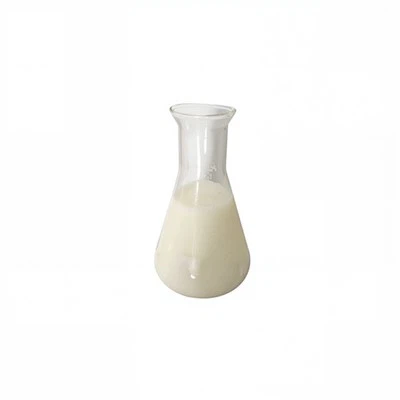
At the end of the day, abrasive compounds are the unsung heroes of so many industries. You don’t see them on billboards or in TikTok videos about the newest tech, but they’re the reason your car’s paint is perfect, your phone screen doesn’t scratch easily, and the surgical tools your doctor uses are safe. If you’re in any of these industries (or even another one I didn’t mention, like glass making or jewelry polishing) and you’re tired of abrasive compounds that are inconsistent, leave a note or hit my team up for a chat. We don’t do hard sales pitches—we just bring the right grit for the job, on time, no mess.
Centrifugal Barrel Finishing Machine Reference:
Abrasives: Their Selection and Industrial Applications, 2nd Edition. Industrial Press Inc.
Karbassi, A., et al. (2021). Precision Finishing of Advanced Materials Using Abrasive Compounds. Journal of Manufacturing Processes.
Society of Tribologists and Lubrication Engineers (STLE). (2022). Industrial Abrasive Materials and Surface Finishing Standards.
Dongguan Xindingsheng Intelligent Grinding Technology Co., Ltd.
Dongguan Xindingsheng Intelligent Grinding Technology Co., Ltd. is one of the most reliable abrasive compounds manufacturers and suppliers in China, also supports customized service. Please feel free to wholesale bulk high quality abrasive compounds in stock here from our factory. Contact us for pricelist.
Address: Room 101, Building 1, No. 73 Dahuangmei Road, Dalingshan Town, Dongguan City, Guangdong Province, China
E-mail: cndskj@126.com
WebSite: https://www.xdsfinishing.com/
