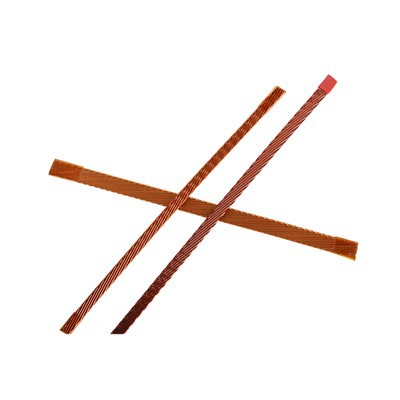
As a supplier of Rectangular Insulated Aluminum Stranded Cable, I’ve witnessed firsthand the numerous challenges that come with its production. This type of cable is widely used in various industries due to its excellent electrical conductivity, flexibility, and relatively low cost compared to copper cables. However, manufacturing it to meet high – quality standards and market demands is no easy feat. Rectangular Insulated Aluminum Stranded Cable
Material Quality and Sourcing
One of the primary challenges in producing Rectangular Insulated Aluminum Stranded Cable lies in the quality of raw materials. The aluminum wires used in the cable must have consistent purity and mechanical properties. Even small variations in the aluminum’s chemical composition can affect the cable’s electrical conductivity and corrosion resistance.
Sourcing high – quality aluminum is a complex process. The global market for aluminum is volatile, with prices fluctuating based on factors such as supply and demand, geopolitical events, and production costs. As a supplier, we need to establish long – term relationships with reliable aluminum suppliers to ensure a stable supply of materials. However, even with these relationships in place, we may face issues such as supply disruptions. For example, natural disasters in regions where aluminum mines are located can lead to reduced production and shortages.
The insulation material is another critical component. Insulation protects the aluminum strands from environmental factors such as moisture, chemicals, and heat. Different applications require different types of insulation materials, such as PVC, XLPE, or EPR. Ensuring the consistent quality of the insulation material is crucial. If the insulation has defects, it can lead to electrical leakage, short circuits, and other safety hazards. Sometimes, sourcing insulation materials that meet strict industry standards can be difficult, as the manufacturers of these materials may face production bottlenecks or quality control issues.
Manufacturing Process Complexity
The production of Rectangular Insulated Aluminum Stranded Cable involves multiple steps, each of which presents its own set of challenges. The first step is stranding the aluminum wires. The strands need to be twisted together in a precise manner to ensure uniform electrical properties throughout the cable. If the stranding process is not carried out correctly, the cable may have uneven electrical resistance, which can lead to overheating and reduced performance.
During the stranding process, maintaining the proper tension on each wire is crucial. If the tension is too high, the wires may break; if it is too low, the strands may not be tightly packed, resulting in a less – efficient cable. Additionally, the stranding machine needs to be regularly maintained and calibrated to ensure accurate and consistent results.
After stranding, the cable needs to be insulated. The insulation process requires careful control of temperature, pressure, and the thickness of the insulation layer. If the temperature is too high during the insulation process, the insulation material may break down or develop bubbles, which can compromise its insulating properties. Similarly, if the pressure is not evenly distributed, the insulation layer may have uneven thickness, leading to weak spots in the cable.
Testing the cable after production is also a critical step. Various tests, such as electrical conductivity tests, insulation resistance tests, and mechanical strength tests, need to be conducted to ensure that the cable meets all the required standards. Failure to detect even a small defect during testing can lead to costly product recalls and damage to our reputation as a supplier.
Meeting Diverse Industry Standards
The Rectangular Insulated Aluminum Stranded Cable is used in a wide range of industries, each with its own set of standards and regulations. For example, the electrical power industry has strict requirements for the cable’s electrical performance, such as its ampacity and voltage rating. The automotive industry, on the other hand, may focus more on the cable’s flexibility, durability, and resistance to heat and vibration.
Meeting these diverse standards requires us to have a deep understanding of the specific requirements of each industry. We need to invest in research and development to develop cables that can meet these different needs. For instance, if a customer in the aerospace industry requires a cable with extremely high – temperature resistance, we need to explore new insulation materials and manufacturing processes to achieve this.
In addition to industry – specific standards, there are also international and national standards that we must comply with. These standards cover aspects such as safety, environmental protection, and quality control. Keeping up with the changes in these standards is a continuous challenge. New regulations may be introduced, or existing ones may be updated, and we need to ensure that our production processes and products are always in line with these requirements.
Environmental and Sustainability Concerns
In today’s world, environmental and sustainability concerns are becoming increasingly important. The production of Rectangular Insulated Aluminum Stranded Cable has an impact on the environment at various stages. The mining and refining of aluminum require a significant amount of energy and water, and they can also generate waste and emissions.
As a responsible supplier, we are committed to reducing our environmental footprint. We need to find ways to improve the energy efficiency of our production processes. For example, we can invest in more energy – efficient equipment and optimize our manufacturing operations to reduce energy consumption. We also need to manage waste properly. The waste generated during the production process, such as scrap aluminum and insulation materials, needs to be recycled or disposed of in an environmentally friendly way.
In addition, customers are becoming more conscious of the environmental impact of the products they purchase. They may prefer to buy cables from suppliers who can demonstrate their commitment to sustainability. This means that we need to provide information about the environmental performance of our products, such as their recyclability and energy – efficiency, to meet customer expectations.
Competition in the Market
The market for Rectangular Insulated Aluminum Stranded Cable is highly competitive. There are many suppliers in the market, both domestic and international, offering similar products. To stay competitive, we need to offer high – quality products at competitive prices. However, this can be difficult, especially when faced with the challenges mentioned above, such as the increasing cost of raw materials and the need for continuous investment in research and development.
We also need to differentiate our products from those of our competitors. This can be achieved through innovation. For example, we can develop new types of cables with improved performance or features, such as better insulation resistance or higher flexibility. Additionally, providing excellent customer service is crucial. We need to be responsive to our customers’ needs, offer technical support, and ensure timely delivery of products.
In conclusion, the production of Rectangular Insulated Aluminum Stranded Cable is fraught with challenges. From material quality and sourcing to manufacturing process complexity, meeting diverse industry standards, addressing environmental concerns, and facing fierce market competition, we need to constantly strive to overcome these obstacles. Despite these challenges, we are committed to providing our customers with high – quality cables that meet their needs.
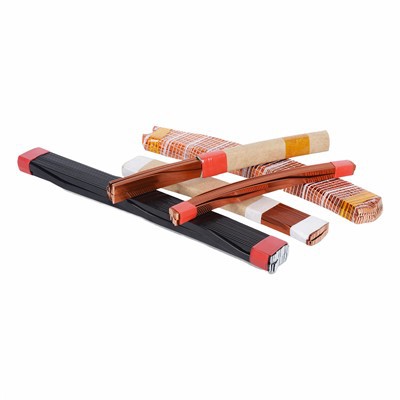
If you are in the market for Rectangular Insulated Aluminum Stranded Cable and are looking for a reliable supplier who understands the challenges and is dedicated to providing solutions, I invite you to reach out for a procurement discussion. We can discuss your specific requirements, offer customized solutions, and ensure that you get the best products at competitive prices.
Enameled Round Wire References
- Walker, A. L., & Miller, R. E. (2018). Electrical Power Cable Engineering, Third Edition. CRC Press.
- National Electrical Manufacturers Association. (2020). Standards for Electrical Cables and Conductors.
- International Electrotechnical Commission. (2021). IEC 60228: Conductors of insulated cables.
Tianjin Jingwei Power Technology Co., Ltd.
As one of the most professional rectangular insulated aluminum stranded cable manufacturers and suppliers in China, we’re featured by quality products and good service. Please rest assured to buy durable rectangular insulated aluminum stranded cable made in China here from our factory. Contact us for more details.
Address: No.1 Chuangxin Rd. Xiaozhan Industrial Park, Jinnan District, Tianjin, China
E-mail: info@jwdc.cn
WebSite: https://www.jw-dcs.com/
