As a supplier of Ringlock Scaffolding, I’ve witnessed its widespread use in construction projects around the globe. Ringlock Scaffolding is renowned for its versatility, strength, and ease of assembly, making it a top choice for builders and contractors. However, in an era where environmental sustainability is of utmost importance, it’s crucial to examine the environmental impact of this popular construction tool. Ringlock Scaffolding
Material Sourcing and Production
The primary material used in Ringlock Scaffolding is steel. Steel production has a significant environmental footprint. The mining of iron ore, the primary raw material for steel, involves large – scale excavation, which can lead to deforestation, soil erosion, and habitat destruction. Moreover, the energy – intensive process of converting iron ore into steel releases substantial amounts of greenhouse gases, mainly carbon dioxide.
According to industry reports, traditional steelmaking processes can emit up to 2 tons of CO₂ per ton of steel produced. This high level of emissions is a result of the use of fossil fuels, such as coal, in the blast furnace and basic oxygen furnace methods. However, the steel industry has been making efforts to reduce its environmental impact. Many steel manufacturers are now adopting more sustainable practices, such as using recycled steel and implementing energy – efficient technologies.
Recycled steel is an excellent alternative to virgin steel. It requires significantly less energy to produce compared to steel from raw materials. Recycling steel can save up to 75% of the energy needed for primary steel production. As a Ringlock Scaffolding supplier, I’m committed to working with steel manufacturers that prioritize the use of recycled materials. By using more recycled steel in our scaffolding products, we can significantly reduce the overall carbon footprint of their production.
Transportation and Logistics
Once the Ringlock Scaffolding is manufactured, it needs to be transported from the production facility to the construction site. This transportation process also has an environmental impact. The use of trucks, ships, or trains for transportation consumes fossil fuels and emits greenhouse gases.
The distance between the manufacturing plant and the construction site plays a crucial role in determining the transportation – related emissions. Longer distances mean more fuel consumption and higher emissions. To mitigate this impact, we strive to optimize our supply chain. We work closely with local distributors and construction companies to reduce the transportation distance. By having a network of local warehouses, we can store our Ringlock Scaffolding products closer to the end – users, minimizing the need for long – distance transportation.
In addition, we are exploring the use of more fuel – efficient vehicles for transportation. Some of the trucks in our fleet are now equipped with advanced engine technologies that reduce fuel consumption and emissions. We are also considering alternative transportation methods, such as rail or water transport, which are generally more energy – efficient than road transport for long – distance hauls.
On – Site Usage and Waste Management
During the construction phase, Ringlock Scaffolding is assembled and disassembled multiple times. The proper handling of the scaffolding on – site can have a significant impact on the environment. One of the key aspects is waste management.
In some cases, damaged or obsolete scaffolding components may end up in landfills. This not only wastes valuable resources but also contributes to environmental pollution. To address this issue, we provide our customers with guidelines on proper scaffolding maintenance and repair. By extending the lifespan of the scaffolding components, we can reduce the amount of waste generated.
Moreover, we encourage the recycling of scaffolding components at the end of their useful life. Our company has established a recycling program where we collect used scaffolding materials and send them to recycling facilities. This recycling process helps to conserve natural resources and reduce the demand for new steel production.
Another environmental consideration during on – site usage is the energy consumption associated with the assembly and disassembly of the scaffolding. Manual assembly and disassembly methods are generally more sustainable than using power – driven equipment. We train our customers on the proper techniques for manual assembly, which not only reduces energy consumption but also improves the safety of the construction workers.
End – of – Life and Recycling
When the Ringlock Scaffolding reaches the end of its useful life, its disposal or recycling becomes a critical environmental concern. As mentioned earlier, steel is a highly recyclable material. The recycling process for steel scaffolding involves melting down the metal and re – using it to produce new steel products.
Recycling steel scaffolding not only conserves natural resources but also reduces energy consumption and greenhouse gas emissions. By promoting the recycling of our Ringlock Scaffolding products, we can contribute to a more circular economy. We work with recycling partners who have the expertise and equipment to efficiently recycle the steel components.
In addition to steel recycling, we are also exploring the possibility of re – using the scaffolding components in other applications. For example, some of the smaller scaffolding parts can be repurposed for DIY projects or used in the manufacturing of other construction products. This approach further extends the life cycle of the scaffolding and reduces waste.
Our Commitment to Sustainability
As a Ringlock Scaffolding supplier, we are fully committed to reducing the environmental impact of our products. We understand that sustainability is not only good for the environment but also for our business. By implementing sustainable practices, we can improve our brand image, attract environmentally – conscious customers, and contribute to a greener future.
We are constantly looking for ways to improve the environmental performance of our Ringlock Scaffolding. This includes investing in research and development to find more sustainable materials and manufacturing processes. We are also collaborating with industry partners, such as steel manufacturers, construction companies, and environmental organizations, to share best practices and drive innovation in the field of sustainable construction.
Contact Us for Sustainable Ringlock Scaffolding Solutions
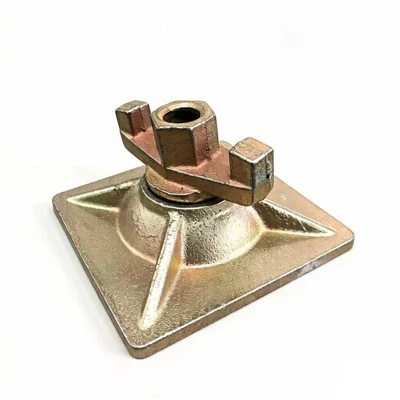
If you are in the market for high – quality Ringlock Scaffolding that is both reliable and environmentally friendly, we would love to hear from you. Our team of experts can provide you with detailed information about our products, including their environmental features and benefits. We can also work with you to develop customized solutions that meet your specific construction needs while minimizing the environmental impact.
Scaffolding Accessories Whether you are a small – scale builder or a large – scale construction company, we have the experience and resources to support your project. Contact us today to start a conversation about how our Ringlock Scaffolding can contribute to a more sustainable construction industry.
References
- "Steel Recycling: A Vital Component of the Circular Economy", World Steel Association.
- "Environmental Impact of Construction Materials", Construction Research Institute.
- "Sustainable Supply Chain Management in the Steel Industry", Journal of Sustainable Manufacturing.
Rizhao Wellfit Scafform Co., Ltd.
As one of the most professional ringlock scaffolding manufacturers and suppliers in China, we have world-leading production equipment and strong manufacturing capabilities. Please feel free to buy high quality ringlock scaffolding at competitive price from our factory.
Address: No. 7, Huasheng Road, Taoluo Town Industrial Zoon, Donggang District, Rizhao City
E-mail: sales@wfscafform.com
WebSite: https://www.wfscafform.com/
