Sodium saccharin, a widely used artificial sweetener, has found its place in numerous industries, from food and beverage to pharmaceuticals. As a trusted sodium saccharin supplier, I understand the importance of proper storage conditions to maintain the quality and safety of this product. In this blog, I will delve into the key aspects of storing sodium saccharin, ensuring that it remains in optimal condition throughout its shelf – life. Sodium Saccharin
Chemical Properties of Sodium Saccharin
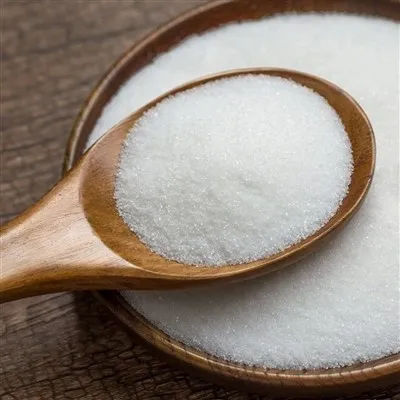
Before discussing the storage conditions, it is essential to understand the chemical properties of sodium saccharin. Sodium saccharin, with the chemical formula C₇H₄NNaO₃S, is a white crystalline powder. It is highly soluble in water, which makes it an ideal sweetening agent in liquid – based products. However, its solubility and chemical stability can be affected by various environmental factors.
Temperature Considerations
Temperature plays a crucial role in the storage of sodium saccharin. Generally, sodium saccharin should be stored in a cool environment. The ideal temperature range for storage is between 15°C and 25°C (59°F – 77°F). At temperatures within this range, the physical and chemical properties of sodium saccharin remain relatively stable.
High temperatures can accelerate the degradation process of sodium saccharin. When exposed to temperatures above 30°C (86°F) for an extended period, there is a risk of the product undergoing chemical changes. These changes may result in a loss of sweetness intensity and the formation of impurities. For example, thermal decomposition can occur, leading to the breakdown of the saccharin molecule and the release of potentially harmful by – products.
On the other hand, extremely low temperatures can also pose problems. If sodium saccharin is stored at temperatures below 0°C (32°F), there is a chance that the product may crystallize in an improper way. This can lead to changes in the particle size and distribution, which may affect the solubility and performance of sodium saccharin in end – use applications.
Humidity Control
Humidity is another critical factor in sodium saccharin storage. Sodium saccharin is hygroscopic, meaning it has a tendency to absorb moisture from the surrounding environment. Excessive moisture absorption can cause the product to clump together, forming large aggregates. These clumps not only make it difficult to handle and measure the product accurately but can also lead to chemical degradation.
To prevent moisture absorption, sodium saccharin should be stored in a dry place with a relative humidity of less than 60%. A humidity – controlled storage facility is ideal. If such a facility is not available, proper packaging can act as a barrier against moisture. Suppliers often use air – tight containers or bags made of materials with low moisture permeability, such as high – density polyethylene (HDPE) or aluminum foil – laminated bags.
Light Exposure
Light, especially ultraviolet (UV) light, can have a negative impact on sodium saccharin. UV light can initiate photochemical reactions in the saccharin molecule, leading to color changes and the formation of degradation products. Over time, exposure to light can cause sodium saccharin to turn yellow or develop an off – flavor.
To minimize the effects of light exposure, sodium saccharin should be stored in opaque containers. These containers shield the product from both natural sunlight and artificial light sources. In a storage warehouse, it is advisable to keep the product in a dark area or use shelving units that block light.
Packaging and Container Selection
The packaging of sodium saccharin is directly related to its storage stability. As mentioned earlier, air – tight containers are essential to prevent moisture ingress and oxidation. The container material should also be chemically inert, meaning it does not react with sodium saccharin.
For bulk storage, large – scale drums or intermediate bulk containers (IBCs) made of food – grade plastics or stainless steel are commonly used. These containers are designed to be durable and can withstand the rigors of transportation and long – term storage. For smaller quantities, plastic bottles or sealed sachets are suitable options.
In addition to the container material, the container should also have proper sealing mechanisms. For example, drums may be equipped with tight – fitting lids with gaskets, while bags may have heat – sealed seams. This ensures that the product remains isolated from the external environment.
Ventilation
Proper ventilation in the storage area is important for maintaining air quality around the sodium saccharin. Although sodium saccharin is a relatively stable compound, there may be a small amount of out – gassing or the presence of volatile impurities. Good ventilation helps to remove these substances and prevent the build – up of potentially harmful concentrations.
A well – ventilated storage space also helps to regulate temperature and humidity. It allows for the exchange of air, reducing the likelihood of hot spots or areas of high humidity within the storage area. However, care should be taken to ensure that the inflow of air does not bring in excessive moisture or contaminants.
Compatibility with Other Substances
When storing sodium saccharin, it is important to consider its compatibility with other substances in the storage area. Sodium saccharin should be stored separately from strong oxidizing agents, acids, and alkalis. These substances can react with sodium saccharin, leading to chemical changes and degradation.
For example, strong oxidizing agents such as potassium permanganate or hydrogen peroxide can oxidize the saccharin molecule, altering its chemical structure and reducing its sweetening power. Similarly, acids and alkalis can cause hydrolysis reactions, breaking down the sodium saccharin into its constituent parts.
Monitoring and Inspection
Regular monitoring and inspection of the stored sodium saccharin are essential to ensure its quality. Temperature and humidity sensors can be installed in the storage area to continuously monitor these environmental parameters. Any deviations from the optimal conditions should be addressed immediately.
Visual inspections should also be carried out periodically. Check for signs of clumping, discoloration, or the presence of foreign particles. If any of these issues are detected, further analysis may be required to determine the extent of the problem and whether the product is still suitable for use.
Shelf – Life and Rotation
Sodium saccharin has a defined shelf – life, typically around 2 – 3 years when stored under proper conditions. To ensure that the oldest stock is used first, a first – in, first – out (FIFO) inventory management system should be implemented. This helps to prevent the accumulation of expired or degraded products.
As the product approaches the end of its shelf – life, additional quality checks may be necessary to confirm its suitability for sale or use. If the product fails to meet the required quality standards, appropriate disposal procedures should be followed.
Conclusion
In conclusion, proper storage conditions are vital for maintaining the quality and safety of sodium saccharin. By controlling temperature, humidity, light exposure, and ensuring proper packaging and ventilation, we can extend the shelf – life of the product and ensure its consistent performance. As a supplier, I am committed to providing high – quality sodium saccharin and will continue to adhere to strict storage and quality control measures.
Modified Starch If you are in the market for sodium saccharin, I invite you to contact me for a detailed discussion about our product. We can provide you with samples, technical data sheets, and answer any questions you may have regarding our product’s quality and storage. Let’s work together to meet your sweetening needs.
References
- Antunes, E. P., & Silva, C. B. (2018). Stability studies of artificial sweeteners in pharmaceutical formulations. Brazilian Journal of Pharmaceutical Sciences, 54(3).
- The Merck Index (15th Edition). Merck KGaA, Darmstadt, Germany.
Fudijia (Tianjin) Supply Chain Co., Ltd.
With abundant experience, we re one of the most professional sodium saccharin manufacturers and suppliers in China. We warmly welcome you to wholesale bulk high quality sodium saccharin made in China here from our factory. For more information, contact us now.
Address: 301-2-1C,Jin Bin Jie Zuo,No.98, Huanghai Road,TEDA, Tianjin, China
E-mail: foodchem@hjlfoods.com
WebSite: https://www.ifoodchem.com/
