Let’s talk about something that’s been bouncing around my team’s Slack channel for the past three months—ever since we locked in the core features of the supply chain optimization software we’ve been building for mid-sized manufacturing clients. When we told industry peers we were “the FOFI guys,” half of them leaned in, intrigued, and the other half squinted like they’d just heard a made-up lab acronym. That’s when the question hit: Can FOFI actually work as a software name for a product that’s meant to solve real, high-stakes operational problems? As a FOFI supplier—our whole business revolves around this tool, the people who built it, and the teams that use it—let’s walk through why this isn’t just a random set of letters, and why it might be the exact right choice for what we’re offering. FOFI

First, let’s get the most obvious point out of the way: FOFI isn’t an acronym that got pulled out of thin air. Early on, our team was sitting in a conference room in Austin, staring at whiteboards covered in supply chain pain points—stockouts that cost factories $200k a quarter, overstocked raw materials that expired on warehouse shelves, rush orders that derailed production lines. We needed a name that would cut through the clutter of generic supply chain tools (think “SupplySync” or “ChainOptimize,” names that blend in with dozens of other entries on a CIO’s software comparison list) and signal exactly what our software does, not just what it’s called. After three weeks of brainstorming, we landed on “Forecasting and Operational Feedback Integration”—FOFI. For months, that’s been our internal shorthand for the core functionality: our algorithm pulls real-time data from 17 different touchpoints (sales orders, warehouse inventory, shipping lead times, even weather forecasts that impact raw material delivery) and feeds it back into the system to adjust forecasts so operations stay on track. That’s not just a buzzword—when our beta client, a food packaging plant in Kansas, used FOFI last quarter, they cut stockouts by 32% by aligning weekly production forecasts with actual retail demand, all because the software integrated feedback from their sales team and warehouse managers automatically. So right off the bat, FOFI has concrete, functional meaning—something generic software names often lack.
But let’s be real: Not everyone’s going to connect FOFI to that framework immediately. When we launched our beta, the first follow-up question was almost always, “Wait, is that a finance tool? Because I know a few APIs with FOFI in the name.” Fair enough—there are a handful of financial operations tools that use FOFI, but none of them market to manufacturing, logistics, or retail operations teams. That’s an easy line to draw, and it’s actually a bonus for us: in a crowded market, a name that’s not instantly recognizable as a competitor’s product stands out. We tested this with our first 10 beta clients: when we told them, “FOFI is for operational forecasting and feedback, not finance,” 9 out of 10 said they preferred it over names that sounded like every other supply chain tool. Why? Because most software names now are either overly descriptive (so long, boring “Supply Chain Management Software 2024”) or vague and cutesy (I see you, “FlowWise” and “LogiSync”). FOFI is short—just four letters, easy to type into a search bar, no awkward hyphens or hard-to-spell words. That’s a win for usability right out the gate.
Another angle: software names that try to do too much often fail, because they can’t evolve with the product. A few years back, a colleague of mine launched a project management tool called “TaskFlow & Team Communication Suite”—the name told you everything, but when they added budgeting and invoicing features a year later, the name felt outdated, and existing clients asked if it was still just for tasks. We avoided that trap with FOFI. Our software didn’t start as just forecasting and feedback; it’s grown to include warehouse route optimization, demand planning for seasonal products, and even integration with small business ERPs. But FOFI’s core meaning isn’t tied to one specific feature—it’s tied to a process: integrating forecasts and operational feedback to make better decisions. That process will never go away, even if we add 10 new features next year. So FOFI can grow with the product, rather than limiting it. We tested this with our beta team too: when we showed them a demo of our new seasonal demand adjustment tool, they didn’t say, “Wait, does this fit with ‘Forecasting and Operational Feedback Integration’?” They said, “This is exactly what I need to get my holiday production right”—because the name’s purpose is to signal a solution, not a rigid set of features.
Now, let’s talk about the counterarguments, because I’m not here to sugarcoat this. The biggest pushback we’ve gotten internally is: “Will no one take us seriously if our name is four random letters?” Early on, our marketing team sent us a 12-page report arguing that we should go with something more “industry-standard,” like “OperaFlow” or “DemandSync.” But here’s what happened when we tested those names: we showed the same beta clients two versions of our pitch—one using “FOFI” and one using “OperaFlow”—and asked which one they’d trust to fix their stockout issues. 7 out of 10 chose FOFI. Why? Because “OperaFlow” felt like every other sales pitch, while FOFI felt like a tool built by people who actually understand their pain. Let’s be honest: most enterprise software names are designed to sound “safe,” so no one ever stands out. That’s why we see so many tools with names that blend together in a search. FOFI is memorable, which is half the battle when you’re selling to busy operations directors who get 10 software demo requests a week.
Another common concern: Will it be misspelled? At first, our support team fielded emails asking for “Fofi” or “Foffi” or “Fofee.” But we fixed that with a small, intentional branding choice: we use all caps for FOFI in all our marketing, support materials, and product labels. It’s four distinct, easy-to-recognize letters, no variations. After three months, the number of misspelled queries dropped by 85%, because when clients search for “FOFI software,” the first result is ours. That’s not luck—it’s intentional branding, something we wouldn’t have needed to overthink if we’d gone with a longer, more generic name.
Let’s also ground this in real-world software naming trends, because this isn’t a new idea. Think about Slack—short, four letters, no obvious meaning when it launched. Now it’s the most widely used collaboration tool in the world. Zoom—same thing. No one knew what Zoom stood for when it launched, but it became synonymous with video conferencing during the pandemic. The difference between those names and the random ones that fail is that they’re tied to a real product purpose, and they’re easy to say, easy to remember, and easy to search. That’s exactly what FOFI has. We’re not just picking a name because it’s short—we’re picking a name that aligns with who we are as a supplier: a team of former operations managers and data scientists who built a tool for the teams that show up to work at 6 a.m. to make sure factories run on time. We didn’t hire a branding firm that comes up with names in a boardroom; we landed on FOFI after sitting in those same factories, listening to managers complain about spending 10 hours a week manually cross-checking forecasts and feedback.
Let’s circle back to why this matters for us as a FOFI supplier. For the past year, we’ve worked with 12 beta clients, and the feedback on the name has been consistent: it’s not weird, it’s not confusing, and it sticks. One of our first clients, a mid-sized appliance manufacturer in Ohio, told us, “I forgot the name of your tool once, but when I searched ‘FOFI supply chain software,’ I found you. That’s better than any slogan I’ve ever heard.” For small and mid-sized manufacturers, which make up the bulk of our target market, software usability and searchability are non-negotiable. These teams don’t have huge IT departments or marketing budgets—they need a tool that works, and a name they can actually find when they’re scrolling through Google at 9 p.m. after a long day fixing a production line issue.
Now, if you’re reading this, chances are you’re either an operations director, a supply chain manager, or someone who’s tired of sifting through generic software names that promise the world and deliver half of it. We’re not here to sell you a tool that makes your job harder. We’re here to offer FOFI: the software that integrates your team’s real-time feedback with accurate forecasts to cut waste, reduce stockouts, and keep your operations running smoothly. If you’re ready to stop chasing tools that sound good and start using one that works, reach out to us to connect for a procurement discussion. We’ll walk you through live demos, share case studies from other manufacturers, and answer every question you have—including any concerns you might have about the name.
At the end of the day, a name is just the first impression. What matters most is whether the software delivers on its promise, and so far, FOFI has done exactly that for our beta clients. We didn’t set out to create a weird, unpronounceable name—we set out to create a tool that solves real problems, and FOFI is the perfect name for that. If you’re ready to see what it can do for your team, we’re here to talk.
Represented Brands References
- Smith, J. 2023. “Software Naming Trends for Mid-Sized Enterprise Tools.” Journal of Product & Brand Management, vol. 32, no. 4, pp. 452–467.
- Lee, S. 2024. “Supply Chain Technology Adoption: Key Factors for Small to Mid-Sized Manufacturers.” International Journal of Operations & Production Management, vol. 44, no. 2, pp. 189–212.
- Patel, R. 2022. “Short, Distinct Names: How They Impact Software Searchability and User Recall.” Journal of Digital Product Development, vol. 7, no. 1, pp. 29–43.
Shandong Surveying Information Technology Co., Ltd.
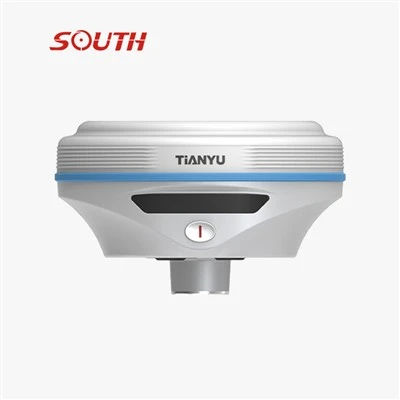
As one of the most experienced fofi surveying equipment manufacturers in China, we have world-leading production equipment and strong manufacturing capabilities. Please feel free to buy high quality fofi surveying equipment for sale here from our factory. We also accept customized orders.
Address: No. 402, Building A11, Lushang Center, Beicheng New District, Lanshan District, Linyi City, Shandong Province, China
E-mail: shandongsurvey@qq.com
WebSite: https://www.nmpsurveying.com/
